The Hidden-Gem Trap: What Happens When Your Perfect Overseas Town Gets Discovered
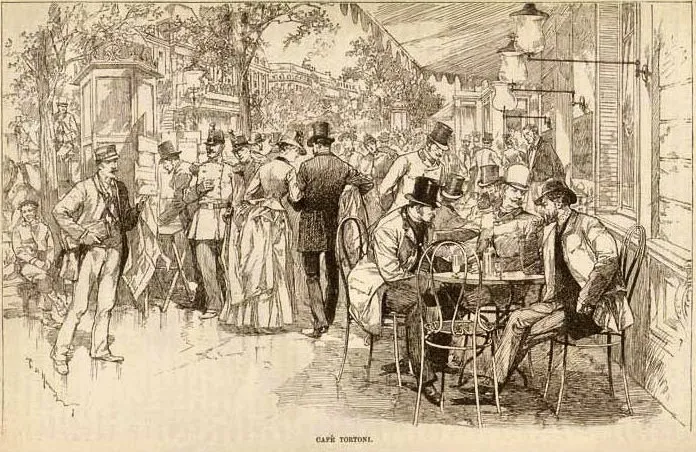
Photo: Renouard, Paul, 1845-1924 -- Artist, Public domain, via Wikimedia Commons
Every expat has a discovery story. You went somewhere before it was cool. You found a bakery with no English menu. You rented a two-bedroom for the price of a parking spot in Brooklyn. You told your friends. They told their friends. Five years later, the bakery is a smoothie franchise and the two-bedroom costs more than your old apartment.
This is not a new story. It is the basic rhythm of tourism and migration. But in 2026, with remote work and social media compressed into the same feed, the cycle moves faster. The question is not whether your perfect town will change. It will. The question is what you owe to the place while you are there.
The Discovery Story We All Tell
The discovery story is flattering. It casts you as the curious outsider who found something authentic. Sometimes that is true. You may have genuinely stumbled on a town that was not on the radar. But the story often leaves out the people who were already there, living in the affordable version of the place you fell in love with.
When Americans move abroad, we tend to talk about what we get: cheaper rent, better weather, a slower pace. We talk less about what our arrival does to the housing market. A single expat couple is not the problem. A thousand expat couples with remote salaries and short-term rental platforms are. The town becomes a product, and the people who made it interesting get priced out.
What a Town Owes You (Nothing)
This is the uncomfortable part. A place does not owe you the version of itself you first visited. It does not owe you cheap rent forever. It does not owe you an English-speaking doctor or a brunch spot that reminds you of Los Angeles. It owes you the same thing it owes everyone else: basic respect, fair dealing, and a chance to change on its own terms.
That does not mean you should feel guilty for moving. Migration is human. The problem is not presence. The problem is extraction. If you move to a town, rent long-term, learn some of the language, pay local taxes, and support local businesses, you are participating. If you buy a property, list it on a short-term rental site, and visit twice a year, you are running a business that happens to have a view.
The Early Warning Signs
You can often see a destination tipping before the guidebooks catch up. The signs are not subtle. Short-term rental permits start appearing on more doors. The local grocery store closes and reopens as a tapas bar. Rent rises faster than local wages. The city council starts debating tourist taxes. Longtime residents move to the outskirts. The cafe menu adds a smoothie section and a QR code.
Social media is a leading indicator. When the same town shows up in three different reels with the same caption about being a hidden gem, it is no longer hidden. When landlords start advertising in dollars, the market is already changing. When locals start organizing against tourism, pay attention. They are not being unfriendly. They are telling you what happened to their neighborhood.
The Cost of Being First
The first expats in a town often get the best deal. They also get the most resentment later, even if they did nothing wrong. That is unfair, but it is predictable. The people who arrive after the discovery story is published are the ones who drive up prices. The people who arrived before are the ones who become the face of the change.
There is no way to be a perfect newcomer. You will make mistakes. You will pay too much for a rental. You will mispronounce the name of the town. You will accidentally support a business that is part of the problem. The point is not purity. The point is awareness. Know that your presence is part of a market, and act accordingly.
A Better Strategy Than Chasing the Next Gem
The least sustainable strategy is to keep chasing the next hidden gem. There is always another town. There is always another coast. But the cycle follows you. Eventually, the places you love become the places you can no longer afford, and the search becomes a full-time job.
A better strategy is to choose places that can absorb you. Look for towns with year-round economies, not just seasonal tourism. Look for local housing policies that protect residents. Look for a community that wants newcomers, not just their money. Then stay long enough to become boring. Shop at the same market. Learn the names of your neighbors. Complain about the weather. That is how you stop being a discovery story and start being a resident.
The perfect town will change. That is not a reason to avoid it. It is a reason to show up with more than a camera and a remote-work salary. You found the perfect city. Now act like you plan to share it.