Crowds, Selfie Sticks, and Clichés: How to Actually Experience the World's Most Visited Places
Here's a confession: I almost gave up on Venice.
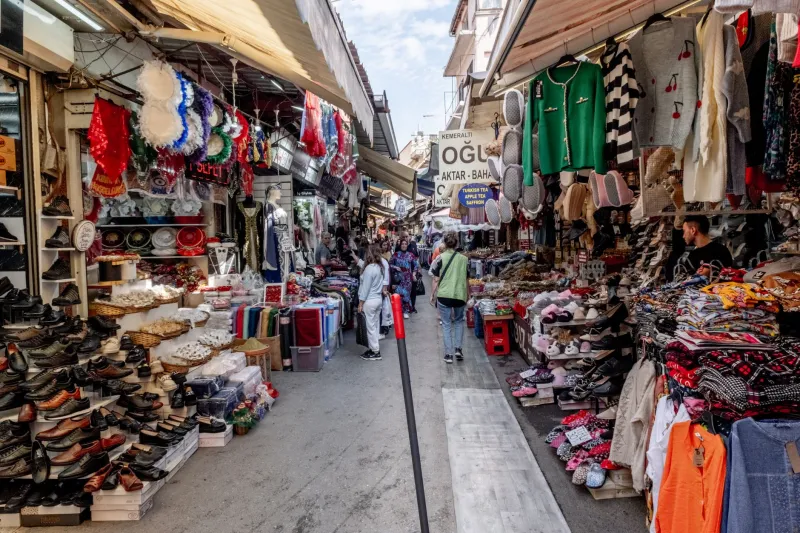
I'd arrived in July, dragging a rolling suitcase across the Rialto Bridge, shoulder-to-shoulder with approximately ten thousand other people who had the exact same idea. Every narrow alley smelled like sunscreen and disappointment. The "hidden" wine bar I'd read about in three different travel blogs had a 45-minute wait and a prix-fixe menu designed for tourists who didn't know any better.
And then I got lost — genuinely, map-closingly lost — in the Castello neighborhood, far from the Grand Canal. A grandmother was hanging laundry from a second-floor window. A kid was kicking a soccer ball against a wall. A bakery I'd never find again sold me the best pastry of my life for €1.20.
That's the thing about overtouristed destinations. The magic isn't gone. It's just hiding from the tour groups.
Stop Treating Famous Places Like Checkboxes
The first mindset shift every bold traveler needs to make is this: famous places are not airports. You don't just pass through them, collect the photo, and move on. The reason millions of people flock to Barcelona or Bali isn't because of the Instagram grid potential — it's because these places have layers. Culture, history, food, community. Layers that most visitors never bother to peel back.
The checklist mentality — Sagrada Família, Park Güell, La Boqueria, done — is exactly how you end up spending three days in a city without ever really being there. Slow down. Wander. Miss things on purpose.
Barcelona: Ditch the Ramblas, Find the Barrios
La Rambla is fine. It's a street. It has trees. But if you've spent more than 20 minutes there, you've already spent 15 too many.
Barcelona's real character lives in its neighborhoods — its barrios. Gràcia, for instance, feels like a small village that got absorbed by a major city but never quite accepted the fact. The plazas here fill up with locals on weekend evenings, not tourists. Cafés don't have English menus posted in the window. The vibe is relaxed, residential, and completely authentic.
Poblenou, once an industrial district, has quietly become one of the city's most interesting creative hubs. Art studios, independent restaurants, and a beach that's a solid 20-minute walk from where the cruise ship crowds congregate — meaning it's actually peaceful.
Practical tip: Take the metro like a local. Barcelona's public transit system is excellent, affordable, and will take you exactly where you need to go. The T-Casual card gives you 10 trips for around €11. Skip the tourist hop-on hop-off bus entirely — it's expensive, slow, and keeps you firmly in the tourist bubble.
Also: eat lunch, not dinner, as your main meal. Locals do. The menú del día — a set lunch menu offered at most traditional restaurants — typically runs €10–15 and includes multiple courses, wine, and bread. It's one of the best deals in European dining and almost exclusively enjoyed by people who actually live there.
Venice: The City Rewards Those Who Wake Up Early (Or Stay Late)
Venice at 7 a.m. is a completely different city than Venice at 11 a.m. The cruise ship passengers haven't disembarked yet. The tour groups are still eating breakfast. The light on the water is extraordinary. The streets are yours.
Set your alarm. Seriously. This is non-negotiable.
Beyond timing, the key to Venice is geography. The areas around San Marco and the Rialto are saturated. Walk 15 minutes in any direction and the crowds thin dramatically. The Cannaregio district, in the northern part of the city, has a genuine neighborhood feel — local bars, affordable restaurants, and residents who aren't performing for tourists. The Giudecca island, just a short vaporetto ride across the canal, offers stunning views of the city skyline with almost no foot traffic.
And please — skip the gondola ride. It costs €80–100 for 30 minutes and is, frankly, a tourist trap. Instead, take a traghetto — the traditional gondola ferries that locals use to cross the Grand Canal at various points throughout the city. They cost about €2 and give you the same experience in about 90 seconds. That's the Venice locals actually use.
Bali: The Island Is Bigger Than Seminyak
Bali gets a bad rap these days, and honestly, it's earned — at least in certain pockets. Seminyak and Kuta have been so thoroughly commercialized that you could spend a week there and never feel like you left a generic beach resort zone. The smoothie bowls are Instagram-perfect. The yoga retreats are $300 a night. The "local" markets sell the same mass-produced items you'll find in every tourist trap from here to Cancún.
But Bali is an entire island, and most of it looks nothing like that.
Munduk, in the highlands, is a small village surrounded by coffee plantations, waterfalls, and rice terraces. It's cool, quiet, and genuinely off the beaten path. Amed, on the east coast, is a string of small fishing villages with world-class diving and snorkeling — and almost no party-tourism infrastructure. Sidemen Valley offers some of the most dramatic rice terrace scenery on the island without a single luxury villa blocking the view.
For transportation, rent a scooter (if you're comfortable with it) or hire a local driver for the day — typically around $35–50 USD for 8–10 hours. Either option gives you the freedom to explore on your terms, not a tour operator's schedule.
Cultural note: Bali is a deeply Hindu island in a predominantly Muslim country, and its religious ceremonies are not a backdrop for your content. When you encounter a temple procession or a ceremony in progress, step aside, dress modestly, and observe respectfully — or not at all. Locals notice and appreciate the difference between curious guests and oblivious ones.
The Universal Rules for Traveling Like You Belong
Whether you're navigating the backstreets of Barcelona or a Balinese village market, a few principles apply everywhere:
- Eat where there are no photos on the menu. This is almost always a reliable indicator of authenticity.
- Learn five words in the local language. Hello, thank you, please, excuse me, and how much. You'll be surprised how far this gets you.
- Use public transportation. Buses, trains, ferries — this is where real life happens.
- Stay longer, go fewer places. Three days in one city beats one day in three cities every single time.
- Ask your accommodation host, not TripAdvisor. The person at the front desk of your small guesthouse knows exactly where to eat, what to avoid, and which spots aren't on any list yet.
The Takeaway
Overtouristed doesn't mean ruined. It means you have to work a little harder — wake up earlier, walk a little farther, put down the phone a little more often. The destinations that top every travel list are famous for a reason, and that reason is still there, waiting underneath the selfie sticks and the souvenir shops.
At O-Abroad, we're all about bold exploration — and sometimes the boldest thing you can do is ignore the guidebook and just wander. The world rewards the curious. Go find out for yourself.