The Golden Ticket You Were Born With: Using Your US Passport Responsibly Abroad
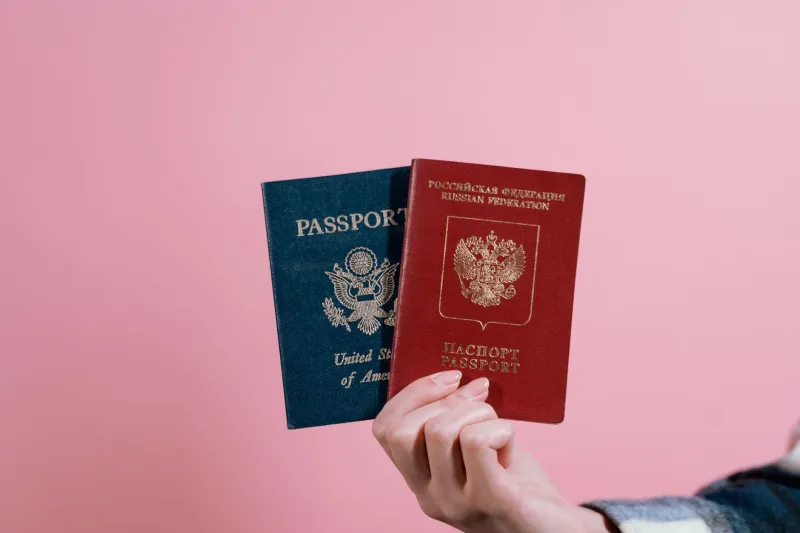
Pull your US passport out of your bag at a border crossing almost anywhere on earth, and something quietly remarkable happens. The officer glances at it, maybe stamps it, and waves you through. No interview. No proof of funds. No letter from your employer. Just — go ahead.
For most Americans, that transaction feels completely ordinary. It's just how travel works, right?
Not even close.
For the majority of the world's population, international travel involves months of paperwork, embassy appointments, financial documentation, and a very real chance of rejection. A Nigerian passport holder can visit roughly 45 countries visa-free. A Pakistani traveler? About 33. Your US passport? Somewhere north of 180 destinations, depending on the year and the index you consult. That gap isn't a minor inconvenience for everyone else — it's a wall.
Understanding that gap is the first step toward being the kind of traveler — and expat — the world actually wants to see more of.
What "Visa-Free" Really Means in Practice
Visa-free access sounds like a perk on a credit card rewards list. In practice, it means you can book a flight to Japan on a Tuesday, land on Friday, and spend three months exploring without ever filling out a form beyond your arrival card. You can decide on a whim to extend your time in Portugal, pop over to Croatia, loop back through Spain — all without a single consular appointment.
For a lot of the world, spontaneous travel simply doesn't exist. Planning an international trip can mean a six-month visa process, a non-refundable embassy fee, and still no guarantee you'll be approved. Americans who've never experienced that friction tend to underestimate how profoundly it shapes a person's relationship with borders and movement.
And it's not just about tourism. US citizens living abroad benefit from relatively robust consular support — embassies and consulates that can, in theory, step in during emergencies, help with document replacement, and register you as a citizen living overseas. That safety net, imperfect as it is, doesn't exist the same way for people from countries with smaller diplomatic footprints.
The Economic Layer Nobody Talks About Enough
Passport strength is just the beginning. Stack on top of it the global dominance of the US dollar, and the picture gets even more lopsided.
American expats earning even modest US-based salaries — remote work, freelance contracts, or passive income — often find themselves living comfortably in countries where local wages are a fraction of what they're pulling in. A $50,000 annual income that feels tight in Austin or Denver can feel genuinely luxurious in Medellín, Chiang Mai, or Tbilisi.
That's not inherently wrong. But it does create a dynamic worth sitting with. When expats flood into affordable cities, demand for housing climbs, rents increase, and longtime local residents can find themselves priced out of their own neighborhoods. It's happened in Lisbon. It's actively happening in Mexico City's Roma Norte. Oaxaca. Playa del Carmen. The list grows every year.
Being aware of that ripple effect isn't about self-flagellation — it's about making more intentional choices with the economic power you're carrying.
So What Does "Responsible" Actually Look Like?
This is where the conversation usually gets vague and a little preachy, so let's try to keep it concrete.
Learn at least some of the language. Not to impress anyone, but because making a genuine effort signals respect. It tells the people around you that you see their culture as something worth engaging with, not just a backdrop for your lifestyle. Even broken, stumbling attempts go a long way.
Spend locally and intentionally. It matters where your money goes. Eating at locally owned restaurants instead of international chains, hiring local guides instead of booking through massive foreign-owned platforms, renting from local landlords rather than international Airbnb investors — these aren't sacrifices. They're just slightly more thoughtful choices that keep more money circulating in the community hosting you.
Don't treat your host country like a theme park. This one sounds obvious, but it's surprisingly easy to slip into. When you're experiencing somewhere as a novelty and locals are just living their Tuesday, the disconnect can turn into condescension without you even noticing. Curiosity is great. Treating people as cultural exhibits is not.
Understand your visa situation — and respect it. The irony of expats who overstay visas or work illegally in countries they've chosen to live in is hard to ignore. You benefit from systems that give you access. Flouting the rules of the country that's hosting you is a bad look and, more importantly, it's genuinely disrespectful to a nation's sovereignty.
Engage with local issues, but carefully. There's a fine line between being an informed resident who cares about your community and being a foreign visitor who shows up and starts telling people how to run their country. Tread lightly. Listen more than you talk. Support local organizations doing work you believe in, rather than parachuting in with your own agenda.
The "Ugly American" Stereotype Exists for a Reason
It's a cliché, but clichés usually have a foundation. The loud tourist who complains that nobody speaks English, who haggles aggressively in a market where $2 actually matters to the vendor, who treats service workers as props — that person is a real phenomenon, and their behavior echoes in how Americans are perceived globally.
The good news is that the stereotype is easy to subvert. Not through grand gestures, but through consistency in small ones. Saying hello in the local language. Tipping appropriately (and understanding that tipping culture varies). Being patient when systems don't work the way they do back home. Accepting that your way isn't the only way — or even necessarily the best way.
Travelers who move through the world with that kind of humility tend to have richer experiences anyway. People open up. Invitations appear. The version of a place that exists beyond the tourist infrastructure becomes accessible.
Carry It Lightly, But Carry It Honestly
You didn't earn your passport. You were born into it, same as you were born into your native language or your first culture. None of that is something to feel ashamed of — but it is something to stay honest about.
The privilege isn't going away, and pretending it doesn't exist doesn't make you a more ethical traveler. Acknowledging it, and then making choices that reflect that awareness, actually does.
The world is genuinely extraordinary, and your ability to move through it is a gift that most people on the planet will never receive. Use it. Enjoy it. Just do it with your eyes open and your ego in check.
That's not a burden. That's just good citizenship — the global kind.