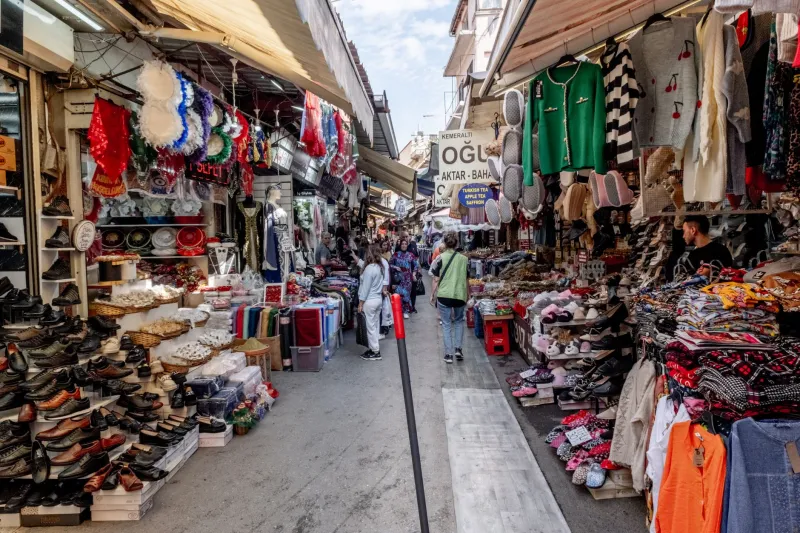
Five Underrated Countries Where $2,000 a Month Buys a Life — Not Just a Vacation
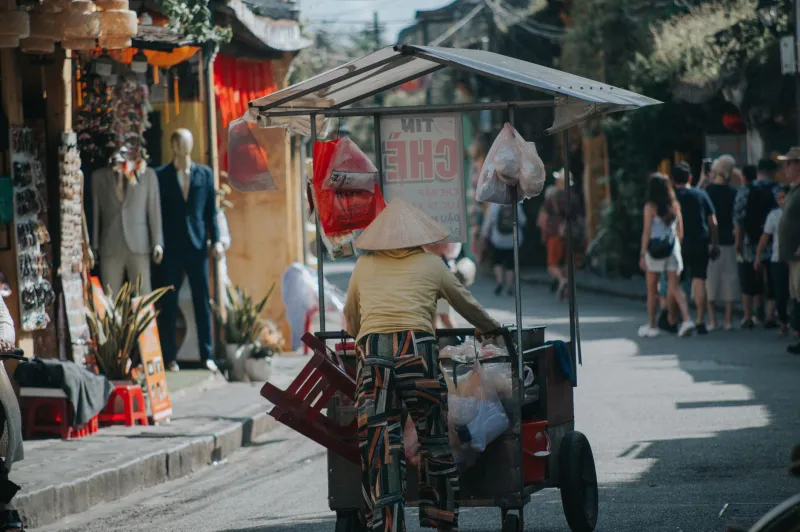
Every few years, a destination tips. It shows up in a travel magazine, gets a Netflix documentary, earns a reputation on Reddit, and suddenly the charming old town that locals used to actually live in is a gauntlet of souvenir stalls and overpriced aperitivos. The cycle is exhausting — and increasingly fast.
If you're a US traveler looking to stretch your dollar while actually connecting with a place rather than just consuming it, the move is to get ahead of that curve. The five countries below aren't secrets exactly — but they haven't been fully colonized by the tourism-industrial complex yet. In each one, a budget of $1,500 to $2,500 per month doesn't just cover survival. It buys comfort, community, and a genuine sense of place.
1. Georgia (The Country, Not the State)
Monthly budget: $1,200–$1,800
Tucked between the Caucasus Mountains and the Black Sea, Georgia is one of those places that makes you feel like you've discovered something — even though it's been sitting there, magnificent and largely overlooked by American tourists, for centuries.
Tbilisi, the capital, has a walkable old town with sulfur bath houses, vine-covered balconies, and a food scene that will rearrange your understanding of what bread can be (khachapuri, the cheese-filled national staple, deserves its own paragraph). Outside the tourist core, neighborhoods like Saburtalo and Gldani are where actual Tbilisi residents live — full of local markets, Soviet-era apartment buildings converted into surprisingly stylish flats, and coffee shops where the clientele is mostly Georgian.
Cost breakdown: A decent one-bedroom apartment in a non-tourist neighborhood runs $400–$600/month. Meals at local spots average $3–$6. A monthly transit pass is under $10. Wine — Georgia is one of the oldest wine-producing regions on Earth — costs almost nothing at the source.
Visa situation: US citizens get 365 days visa-free. One year, no application, no fees. It's one of the most generous tourist allowances on the planet.
Insider tip: Avoid the immediate vicinity of Rustaveli Avenue for accommodation. Head uphill toward Vera or across the river to Isani for residential neighborhoods with actual corner stores and zero souvenir shops.
2. Albania
Monthly budget: $1,300–$2,000
Albania spent decades isolated from the rest of the world under one of history's most paranoid communist regimes, and it's still catching up — which, for budget travelers, is genuinely good news. Infrastructure is improving fast, but prices haven't followed yet. The Albanian Riviera offers Mediterranean coastline that would be priced out of reach if it were in Croatia or Greece. It isn't. Not yet.
Tirana, the capital, has transformed dramatically over the past decade. The city center buzzes with cafes, street art, and a young population that's genuinely curious about foreigners — not in a transactional tourist-economy way, but in a refreshingly direct, let's-have-an-actual-conversation way.
Cost breakdown: Rent for a comfortable apartment in Tirana: $350–$550/month. A full sit-down meal with drinks: $6–$12. Groceries for a week: $30–$50. The Riviera towns like Himara and Dhermi are pricier in summer but nearly empty (and very cheap) in shoulder season.
Visa situation: Americans get 90 days visa-free within a 180-day period — standard Schengen-adjacent rules. Albania is not yet in the EU, which actually works in your favor pricewise.
Insider tip: Skip the purpose-built beach resorts and instead rent a room from a local family in a village above the coast. It's cheaper, dramatically more scenic, and the hosts will almost certainly feed you things that aren't on any menu.
3. Vietnam
Monthly budget: $1,000–$1,700
Vietnam has been on the radar of budget travelers for years, but it keeps delivering — partly because the country is long and diverse enough that even well-traveled visitors haven't seen all of it. The tourist trail runs Hanoi–Hoi An–Ho Chi Minh City, and those places are genuinely wonderful. But the real value, both financially and culturally, lies off that corridor.
Cities like Da Lat in the Central Highlands, Hue, and Quy Nhon offer a fraction of the tourist density at even lower prices. In any Vietnamese city, the distance between the backpacker zone and the neighborhoods where locals actually eat, shop, and live is usually about three blocks.
Cost breakdown: A clean, private room or studio in a local neighborhood: $200–$350/month. A bowl of pho from a sidewalk spot: $1.50–$2.50. Motorbike rental: $50–$80/month. Cooking classes, day trips, and cultural experiences are all dramatically cheaper than comparable activities in Southeast Asian tourist hubs like Bali.
Visa situation: US citizens can get an e-visa for 90 days, extendable, for $25. It's straightforward and fully online.
Insider tip: In any city, find the nearest market (chợ) and eat there for a week. You'll spend almost nothing and have better meals than anywhere near the main square.
4. Colombia
Monthly budget: $1,500–$2,200
Colombia's transformation over the past two decades is one of the more remarkable stories in the Americas, and the country is increasingly confident in its own identity — which makes it a genuinely exciting place to spend time. Medellín gets most of the digital nomad attention, but it's worth pushing past the well-worn El Poblado neighborhood to find the city's actual texture.
Barrios like Laureles and Envigado are where middle-class Colombians live — full of family-run restaurants, neighborhood parks, and a social life that has nothing to do with the hostel circuit. Outside Medellín, cities like Manizales and Pereira in the Coffee Region are almost entirely off the American tourist map and offer a warmth and authenticity that's increasingly rare.
Cost breakdown: A furnished apartment in a residential neighborhood: $400–$700/month. A set lunch (bandeja paisa or similar) at a local restaurant: $3–$5. Monthly transit in Medellín (including the famous cable cars): $15–$20.
Visa situation: Americans get 90 days visa-free on arrival, extendable to 180 days total per year. Colombia also has a digital nomad visa for those staying longer.
Insider tip: The tourist-facing version of Colombian food is fine. The family-run spots serving the daily set lunch (almuerzo) — soup, main, juice, and dessert for under $4 — are where you actually want to be eating.
5. North Macedonia
Monthly budget: $1,100–$1,700
This is the one most people haven't considered, and that's precisely the point. North Macedonia sits in the Balkans, shares borders with Greece, Albania, Serbia, Bulgaria, and Kosovo, and is almost entirely absent from American travel conversations. Which means Ohrid — a lakeside UNESCO-listed town of extraordinary beauty — has a fraction of the crowds you'd find at comparable European destinations.
Skopje, the capital, is a genuinely strange and interesting city, partly rebuilt in a grandiose neoclassical style after a 1963 earthquake, layered over an Ottoman old bazaar that remains one of the most intact in the Balkans. The contrast is jarring and fascinating.
Cost breakdown: A one-bedroom apartment in Skopje: $250–$400/month. Dinner at a traditional restaurant: $5–$10. Coffee at a local café: under $1.50. The country is not on the euro, and the denar goes far.
Visa situation: US citizens get 90 days visa-free. North Macedonia is a candidate country for EU membership, so the regulatory environment is stable and increasingly transparent.
Insider tip: The Čaršija (old bazaar) in Skopje isn't a tourist attraction — it's a functioning commercial district where artisans, traders, and locals have operated for centuries. Spend an afternoon there without an agenda and you'll understand the city better than any guided tour could explain.
A Note on Doing It Right
Every destination on this list has communities of real people who live there year-round, navigate real economic pressures, and have complicated feelings about the slow creep of tourism into their neighborhoods. Traveling on a budget isn't an excuse to be extractive — it's an opportunity to be genuinely present.
Eat local, learn a few words of the language, stay in residential areas, and tip like an American (which, in most of these places, goes a very long way). The goal isn't to find somewhere cheap to perform an aesthetic. It's to actually be somewhere. These five countries will reward that approach more than you'd expect.