You Made It Back Home. So Why Does Everything Feel So Wrong?
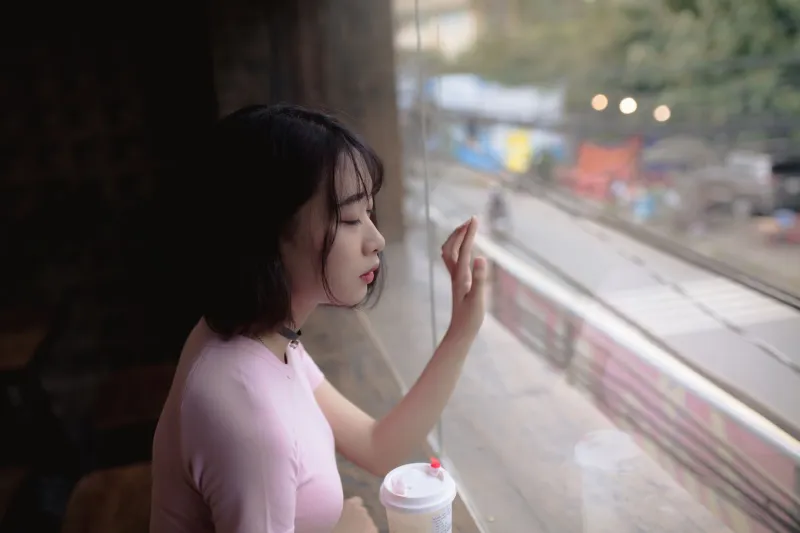
You planned the goodbye party. You shipped the boxes. You cried at the airport in whichever city had become, against all your initial expectations, home. And then you landed back in the US — maybe at O'Hare, maybe at LAX, maybe at the regional airport where your parents were waiting with a welcome-back banner — and waited to feel the relief you thought you'd feel.
It didn't come. Or it came for about forty-eight hours and then evaporated, replaced by something harder to name. A low-grade wrongness. A sense of being slightly out of phase with everything around you. The feeling that you're performing "being American" rather than actually being one.
Welcome to reverse culture shock. It's real, it's deeply disorienting, and — here's the part nobody warns you about — it can actually be harder than the original culture shock of moving abroad in the first place.
Why Coming Home Hits Differently Than You Expected
When you moved abroad, you expected to feel like a fish out of water. That was part of the deal. You prepared for it, even romanticized it a little. The strangeness was the point.
But coming home? You expected to slide back into your old life like pulling on a familiar sweater. Instead, you find the sweater doesn't fit anymore. Or maybe it fits, but you've changed enough that wearing it feels like a costume.
The psychological reason for this is actually pretty well-documented. When we move to a new country, our brains kick into active learning mode — we're alert, curious, and consciously processing everything. But when we return home, our brains assume the context is familiar and stop paying attention. The mismatch between that assumption and the reality of how much you've changed is where the disorientation lives.
Dr. Carmen Ruiz, a psychologist who works with returned expats and international students, describes it this way: "The challenge of repatriation is that it's an invisible transition. People around you don't see it as a transition at all. They think you're just back. But inside, you're navigating a completely new relationship with a place you thought you knew."
The Grief Nobody Gives You Permission to Feel
Here's the part that tends to blindside people: grief.
Not just for the country you left — though that's real and valid — but for the version of yourself that existed there. When you lived abroad, you had an identity that was rich and specific. You were the American who knew which market had the best produce, who could navigate the transit system, who had opinions about the local football club. You were interesting. You were a little bit brave. You were, in some meaningful way, the protagonist of your own story.
Back home, you're just... you. The person who used to live abroad. And nobody is particularly interested in your opinions about the transit system in a city they've never been to.
Tara, who spent four years in Barcelona before returning to her hometown of Nashville, describes the grief as "losing a whole ecosystem of yourself." She says: "In Spain, I had a community, a rhythm, a sense of who I was in relation to the place. Coming home, I didn't have any of that. I had my old bedroom and a bunch of memories that nobody around me could access."
This grief is real, and it deserves to be taken seriously — even if the people around you don't quite understand why you're sad about leaving a place you chose to leave.
The Family Friction Nobody Puts in the Guidebooks
One of the most consistently underreported challenges of returning home is the friction with family and longtime friends. Not dramatic conflict, necessarily — just a persistent low-level tension that comes from having genuinely different worldviews now.
You've spent years in a culture where people talk about money differently, relate to time differently, think about work-life balance differently, or hold political views that don't map neatly onto the American left-right spectrum. You've probably relaxed some assumptions you didn't even know you had. And now you're sitting at Thanksgiving dinner and realizing that you and your uncle are not just disagreeing about politics — you're operating from entirely different frameworks for understanding the world.
That's not anyone's fault. But it is genuinely hard. And it can make you feel more isolated than you did in a country where you didn't speak the language fluently.
The temptation is to either over-explain ("Well, in Portugal, they actually...") or completely shut down and perform a version of yourself that feels safe but hollow. Neither works long-term.
What Actually Helps
The good news is that reverse culture shock, like the original kind, does ease with time and intention. A few things that returnees consistently report as genuinely helpful:
Give yourself a real adjustment window. Not a week. Therapists who specialize in this transition often suggest giving yourself three to six months before making any major decisions — about career, relationships, or whether to move abroad again. Your judgment is temporarily compromised. That's okay, but it's worth knowing.
Find your people. Other returned expats are your fastest route to feeling sane. They get it in a way that nobody else does. Look for local expat alumni groups, international community organizations, or online communities of returned Americans. The shared experience is genuinely bonding.
Let the identity evolve. The "expat" identity was real and valuable, but clinging to it after you've returned can keep you stuck. The goal isn't to become the person you were before you left — that person doesn't exist anymore — or to stay permanently defined by having lived abroad. It's to figure out who you are now, with all of that experience integrated.
Don't rush to normalize. Some things that feel wrong about American life actually are worth examining. The reverse culture shock experience, uncomfortable as it is, often surfaces genuine values clarifications — about consumerism, about pace of life, about what you actually want. Don't dismiss those insights just because they're inconvenient.
The Unexpected Gift
Here's what a lot of returnees eventually arrive at, usually somewhere on the other side of the disorientation: the experience of feeling like an outsider in your own culture is actually a kind of superpower.
You can see things that lifelong residents can't. You have a reference point that most people around you don't. And you've proven — to yourself, if to no one else — that you can build a life somewhere completely unfamiliar.
That doesn't make the transition easy. But it does make it worth something.