Stay Longer, See More: The Case for Planting Roots in One Place Instead of Racing the Map

Let's be honest: the classic American vacation is a little exhausting. You fly twelve hours, spend two weeks speed-running through six cities, eat a croissant in Paris at 8am and collapse in a Lisbon hostel by midnight, and then you're back at your desk on Monday wondering why you feel like you need a vacation from your vacation.
There's a growing movement pushing back against all of that—and it's not about being lazy. It's about being intentional. Slow travel, the practice of staying in one place for weeks or even months at a time, is quietly becoming one of the most popular ways for Americans to explore the world. And once you try it, the ten-countries-in-two-weeks approach starts looking a little hollow.
What "Slow Travel" Actually Means
Slow travel doesn't have a strict definition, and that's kind of the point. At its core, it means resisting the urge to check destinations off a list and instead choosing depth over breadth. For some people, that's a month in Oaxaca. For others, it's a full season in a coastal town in Portugal or a neighborhood in Chiang Mai. The timeline matters less than the mindset.
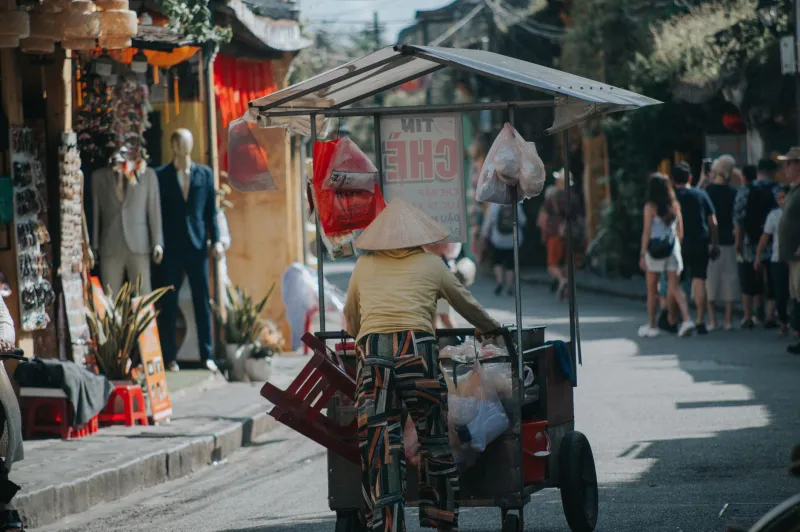
Instead of being a tourist passing through, you start becoming something closer to a temporary local. You find your coffee shop. You learn which market has the best produce. You figure out the bus routes without consulting Google Maps every five seconds. That shift—from observer to participant—is where the real travel magic happens.
The Financial Reality (It's Better Than You Think)
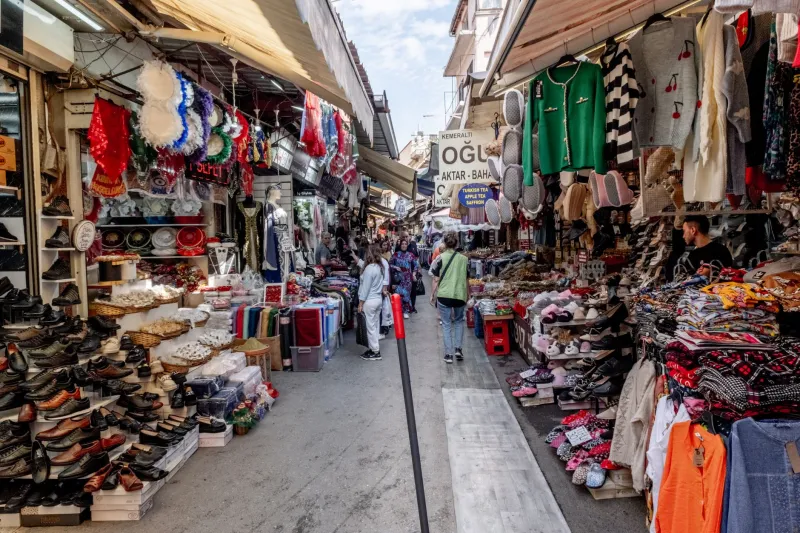
Here's the part that surprises most people: slow travel is often cheaper than traditional tourism. Think about what eats your travel budget fastest. It's flights. It's the premium you pay for centrally located hotels because you only have one night. It's tourist-trap restaurants because you don't know where locals actually eat yet.
When you stay in one place for a month or more, those costs shift dramatically. Monthly apartment rentals in cities like Medellín, Tbilisi, or Lisbon can run anywhere from $500 to $1,200—often less than a week of hotels in the same city. You cook some of your own meals. You're not paying for a new flight every few days. You discover the neighborhood spots that don't have English menus and charge half the price.
For Americans used to burning through PTO and flight points on a frantic two-week sprint, the math on slow travel can be genuinely eye-opening. Especially if you're working remotely—which, let's face it, a lot of us are now.
The Connection Factor
This is the one that's hardest to quantify but easiest to feel. When you spend three months somewhere instead of three days, you stop being invisible.
You actually get to know people. Not just other backpackers at the hostel bar, but neighbors, the woman who runs the laundromat, the guy at the corner store who eventually starts setting aside the good mangoes for you. These aren't Instagram-worthy moments—they're just life, happening in a different language and timezone. And they're genuinely unforgettable.
US travelers often struggle with the "perpetual tourist" feeling: the sense that no matter where you go, you're always on the outside looking in. Slow travel chips away at that. You stop being the American with the big camera and start being the American who lives on Calle Reforma and says good morning to the same people every day. It's a small distinction that makes an enormous difference.
Burnout Is Real—And Slow Travel Fixes It
Travel burnout is a legitimate phenomenon, and the aggressive itinerary is usually the culprit. When every day involves a new city, a new transportation system, a new currency, and a new set of social interactions from scratch, your nervous system eventually waves the white flag. You start resenting the very places you saved up to visit.
Slowing down removes that pressure. You don't have to see every museum on Tuesday because you leave Wednesday. You can have a lazy Sunday. You can get sick without it destroying your entire trip. You can have a bad day and still wake up the next morning in a place you genuinely like.
There's a rhythm to slow travel that feels almost counterintuitively adventurous. You're not doing less—you're doing it more sustainably.
How to Actually Make It Work
If this sounds appealing but logistically daunting, here are a few practical places to start:
Pick one anchor destination. Don't try to slow travel three countries at once—that's just fast travel with extra steps. Choose one city or region and commit to it for at least four to six weeks before reassessing.
Sort out accommodation early. Airbnb, Furnished Finder (for longer domestic comparisons), and local Facebook groups are solid starting points. Search for monthly rates specifically—landlords almost always discount for longer stays.
Give yourself a neighborhood, not just a city. Staying in one part of town helps you build the kind of routine that makes a place feel like yours. Wander the rest of the city, but come home to the same streets.
Let go of the checklist. The hardest part for Americans trained on productivity culture is accepting that not every day needs to be optimized. Some of the best slow travel days are the ones where you did almost nothing—and somehow felt completely alive.
The Bigger Picture
Slow travel isn't a rejection of adventure. It's a redefinition of it. Racing through ten countries in two weeks can be thrilling, but it's also a little like reading only the chapter summaries of ten great novels. You get the plot, but you miss the whole story.
When you give yourself time to actually inhabit a place—to get lost, to get comfortable, to get bored and then discover something unexpected—that's when travel stops being something you do and starts being something that changes you.
And honestly? That's what most of us are really chasing anyway.